Transits



 Download Transits Catalogue
Transits
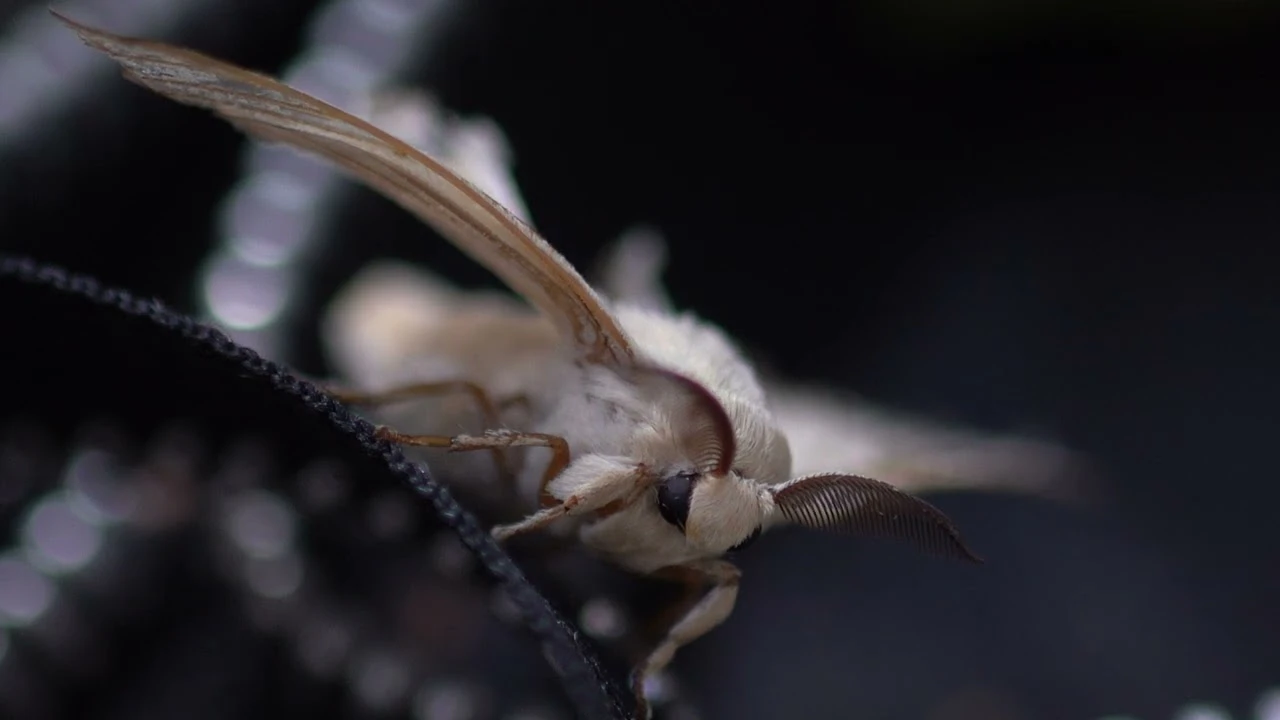
Silkworms are born, grow, molt, weave their cocoons, become chrysalises, mutate into moths, and then, after mating, lay their eggs.
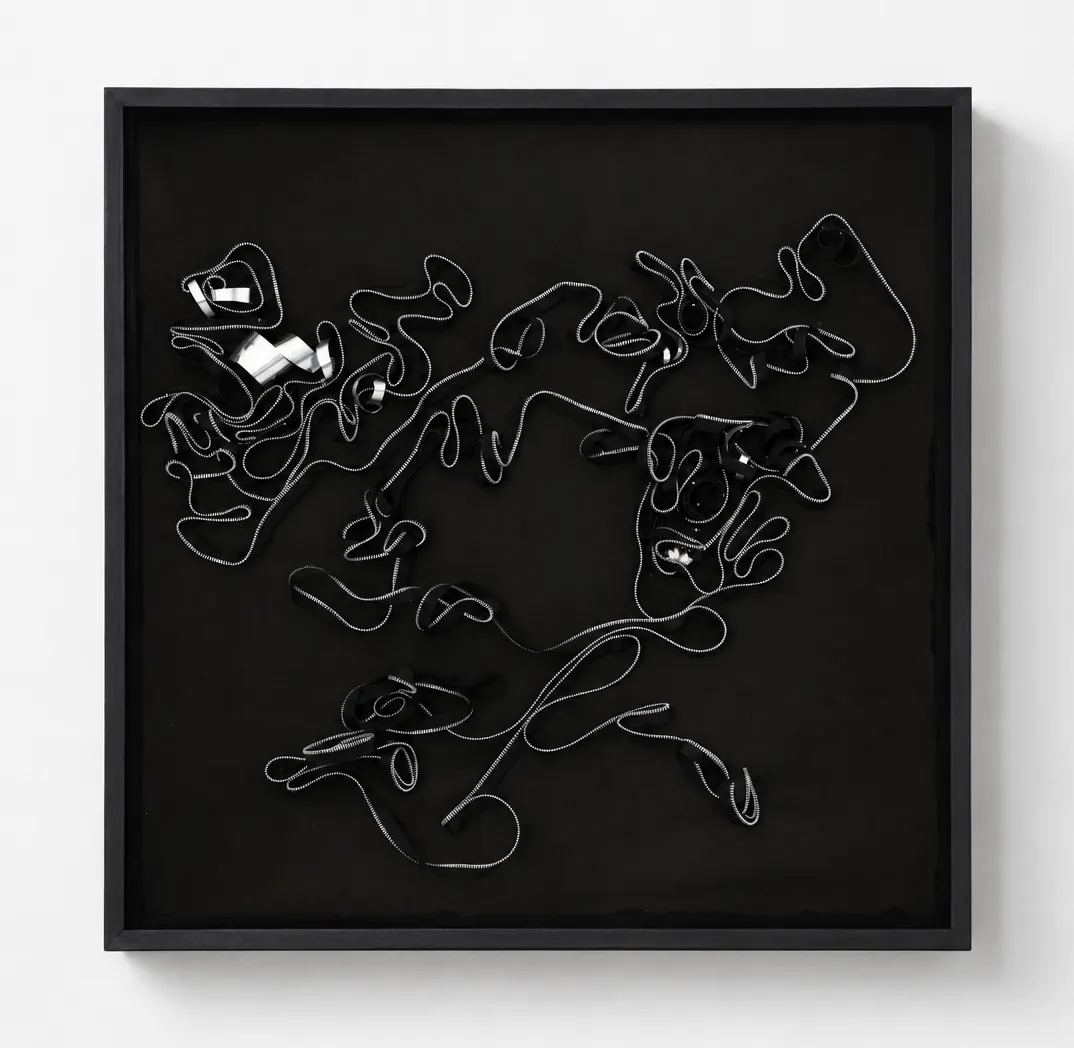
Transits is the trace of a transformation. Silk appears as the material vestige of a transit between states. Each fiber contains memory and reveals the marks of time, an apparent fragility, and a silent mutation. After accompanying this process, I decided to work with silk remnants and explore textile waste as a research material, reflecting on variations, irregularities, and the traces of change upon matter.
My interest does not reside in the cultivation or production of silk, but in having witnessed a process of transformation. Silk does not appear as a finished product, nor as a material bound to the value of its yield. For the industry, continuous thread constitutes silk of great value, interrupting the life cycle of the chrysalis to achieve it. In contrast, in this body of work, the focus shifts toward the process of complete metamorphosis. The emergence of the moth is the evidence of a fulfilled transmutation, manifested in the opening of the cocoon. Its open fibers narrate a story of transformation and preserve the memory of a body that traversed different forms of existence. What the industry would consider a discard becomes, in the artwork, the visible trace of a vital process.
Transits unfolds from a prolonged observation of natural and material processes. I dwell on variations, irregularities, shifts, and the traces of time. That which is deemed imperfect reveals the uniqueness of each process and allows mutability to be understood as a living, open, and continuous phenomenon.
Transits reflects on transformation as an inherent condition of matter and life. The work invites us to observe that which changes slowly, to recognize the value of processes over results, and to discover the beauty that dwells in the transient, the vulnerable, and the imperfect.